
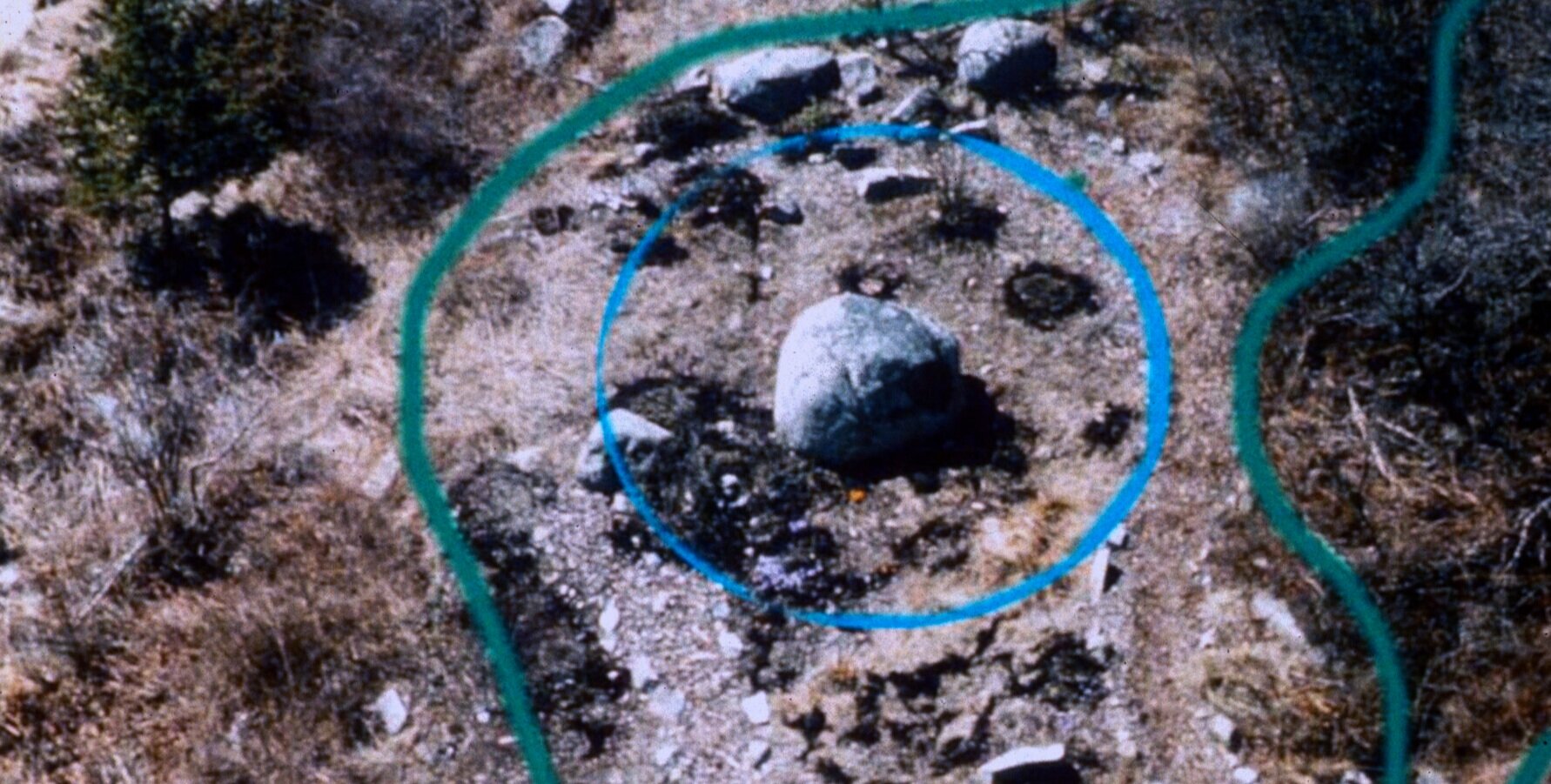
Pushing Rocks

Un-narrativing
Leo Tolstoy's correspondence with Ghandi is credited with initiating the ideas behind civil disobedience. However, in his personal life, based on my readings of her extensive diaries, it seems he was so emotionally abusive to his wife Sofia, that on more than one occasion, she was driven to suicide attempts. Publicly, Tolstoy based his thinking on Christian theology, including sexual abstinence. Privately, he used that as a pretext to be withholding and judgemental even as he kept having sex with Sofia and getting her pregnant: 16 times.

Ephemerality
Death and grief are inevitable aspects of life. Much art strives for a measure of immortality, if only as a statement about the ephemerality of all life. Now this administration seeks to censor the nations museums and control what is deemed worthy of immortality. Since we know Trump's taste is limited to covering everything in sight with gold leaf, this is not a good prognosis for our cultural future. However, it is a good opportunity to consider what is ephemeral and what death means.
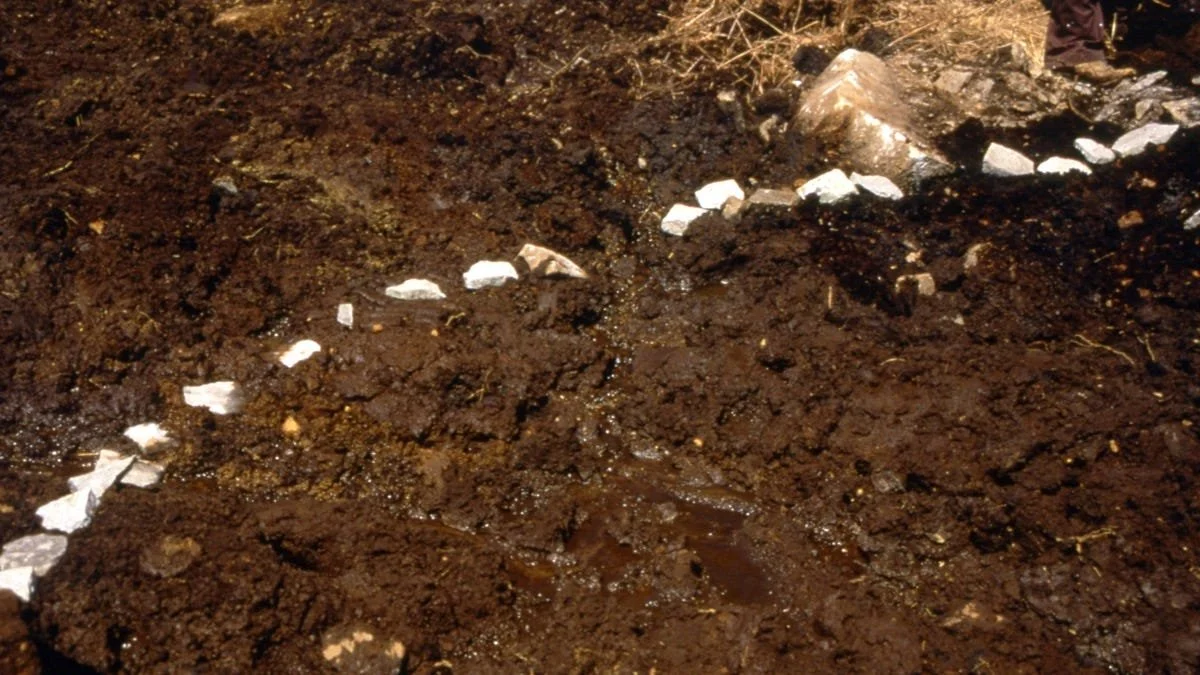
Connecting Dots From the Personal to the Political
In this article I will explore some questions that seem to be emerging in our times, that concern me as an artist. The world seems poised at an historic inflection: what do we deem worthy of protection? Art and artists are as much at the center of that inflection as education, wealth gaps or the destruction of the ecosystems humans depend upon.

Impunity Is A Terrible Thing
In time, human impunity does not stand. That is not the same as justice but history does confer judgements to challenge impunity.
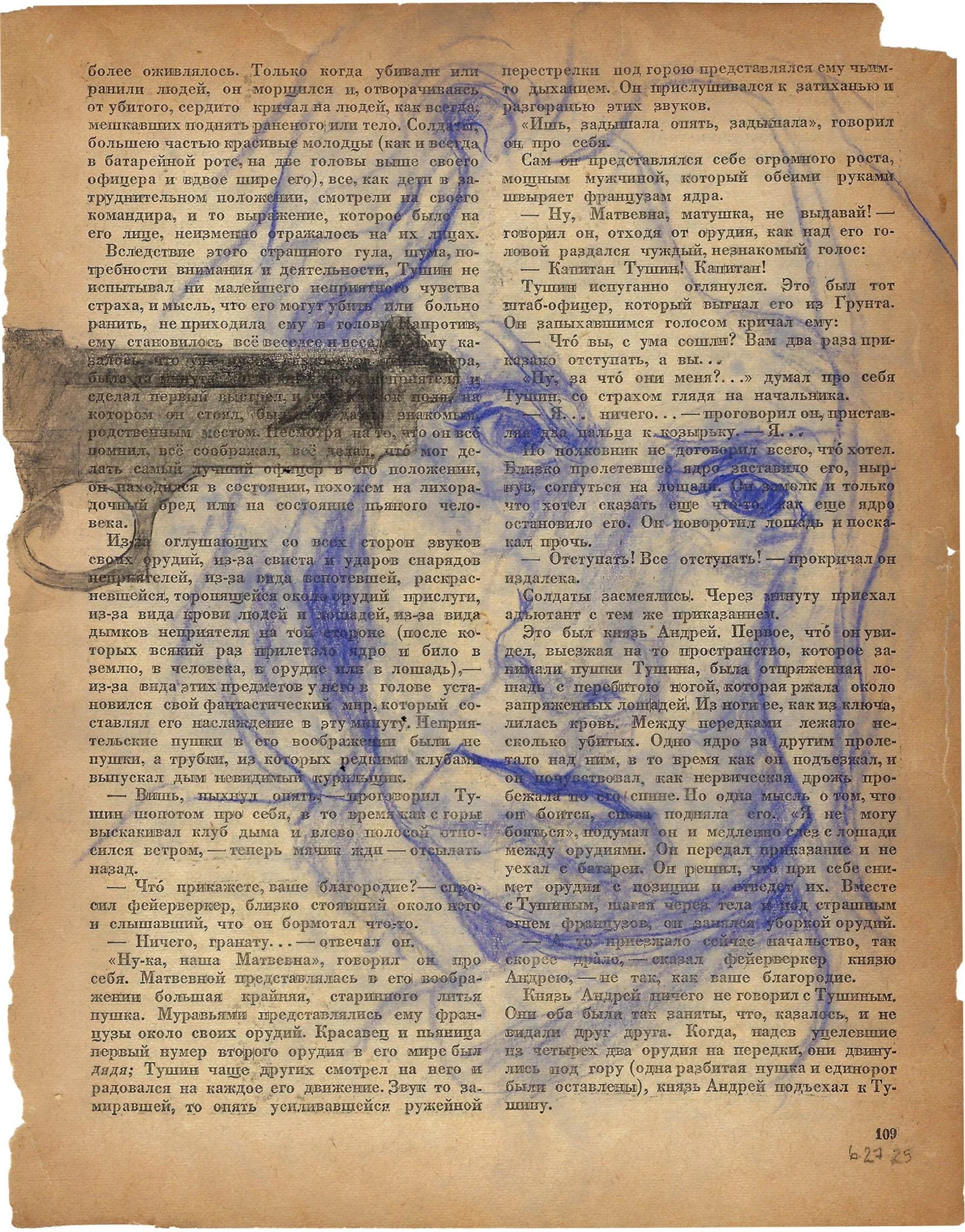
J'accuse
This short essay will argue for a connection between ecocide and femicide, particularly of black and brown women, whose mortality from restricted access to reproductive rights is well-documented. I charge this mortality is a deliberate sexual crime to effect ecocide. Casting a blind eye to that connection is a fatal flaw in civil disobedience as resistance to fascism.

Aviva Rahmani Draws What We Inherit - Antonino La Vela
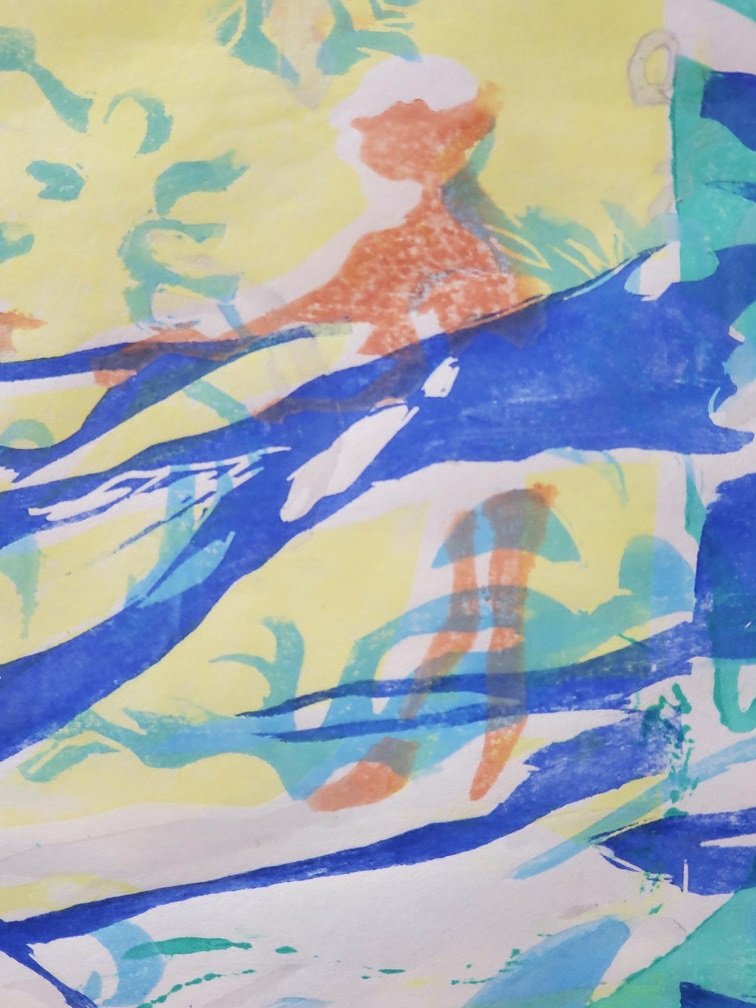
Her drawings reject nostalgia. They function as records — of exile, ecology, memory, and what remains after the flood. - Antonino La Vela.
Does the Sea Dream?
In this essay, I have tackled understanding something about what Japan might teach the USA now about survival…
In retaliation for global warming, the sea seems to be coming for coastal humanity. This is not because the sea is vindictive and malevolent. It is because the sea has always been in conversation with continental coastlines, giving and taking sediment to keep estuaries alive.
A Few Thoughts On Earth Day
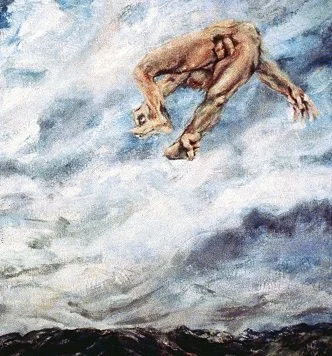
The image preceding this short essay is of a man floating free in air, his body's vulnerability completely exposed. When I painted it, I thought, "this is what social change will require. Tolerating that scale of vulnerability from men."
Five years ago, David Orr wrote, "If today is a typical day in capitols around the world, the dismantling of even the flimsiest laws protecting air, water, lands, biota, climate, and health will proceed apace, but mostly out of sight.
Conversations at the Edge of the Brink
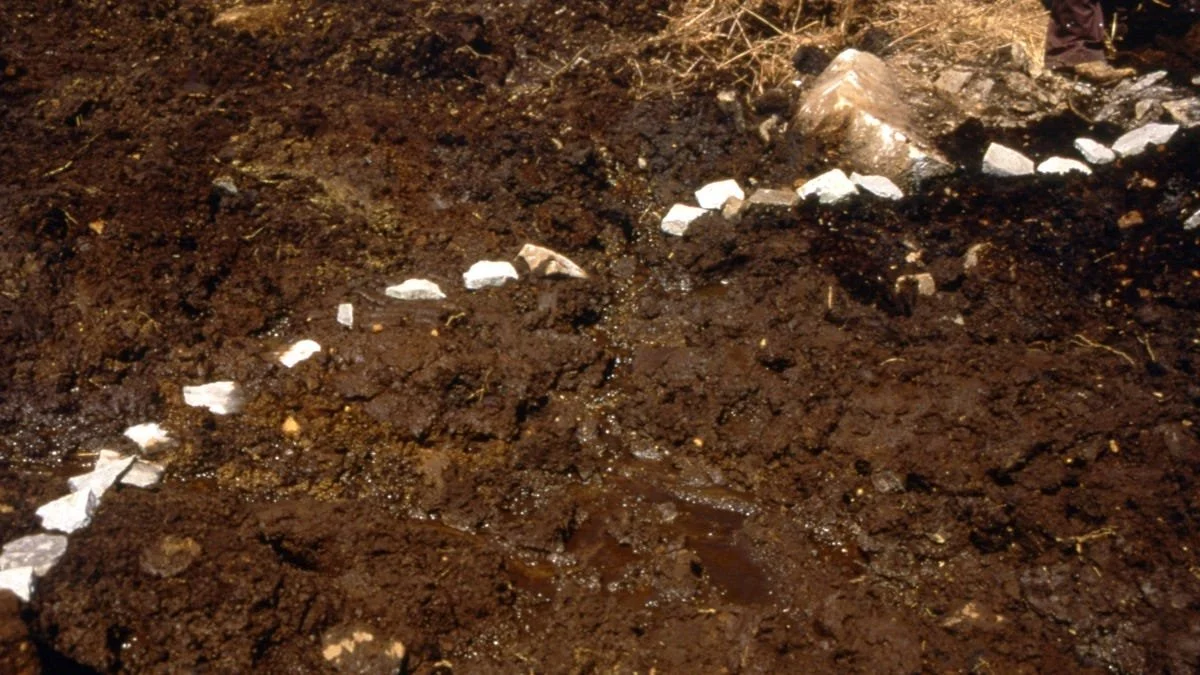
“Connecting Dots,” fresh water met salt water for the first time in 100 years at the Ghost Nets Site 1997. Photograph by Aviva Rahmani
Tomorrow, I will join island colleagues heading for the mainland for another protest against this administration.